


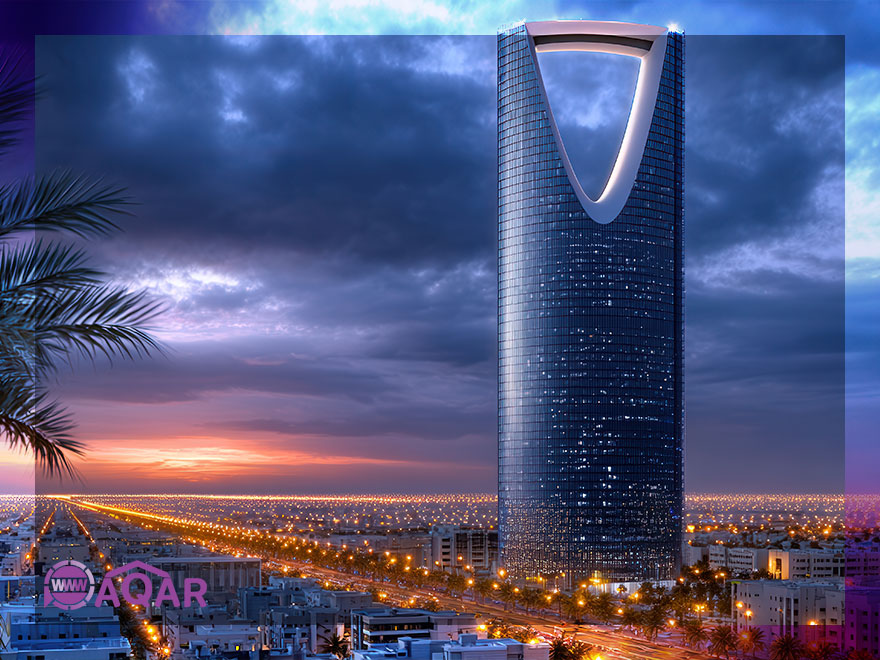
Saudi Arabia’s real estate market is experiencing unprecedented transformation as the Kingdom opens its doors to foreign investors starting January 2026. With Vision 2030 driving economic diversification away from oil dependency, the country presents compelling investment opportunities across residential, commercial, and industrial real estate sectors.
The Saudi real estate market, valued at $68.52 billion in 2024, is projected to reach $111.77 billion by 2030, representing a robust 8.86% compound annual growth rate. This growth trajectory, combined with new foreign ownership regulations and massive infrastructure projects, creates a unique window for international investors to enter one of the Middle East’s most promising real estate markets.
For first time investors considering the region, Saudi Arabia’s strategic location, young population, and government-backed development initiatives offer advantages that complement established markets like Dubai and the UAE. The implementation of new regulations in January will fundamentally change how non Saudis can access and invest in the Kingdom’s property market.
Foreign Investment Opportunities Opening January 2026
The most significant development for international investors is the Law of Real Estate Ownership by Non-Saudis, taking effect January 1, 2026. This landmark legislation will allow foreign individuals and companies to buy property in designated zones, marking a fundamental shift in the Kingdom’s approach to foreign investment.
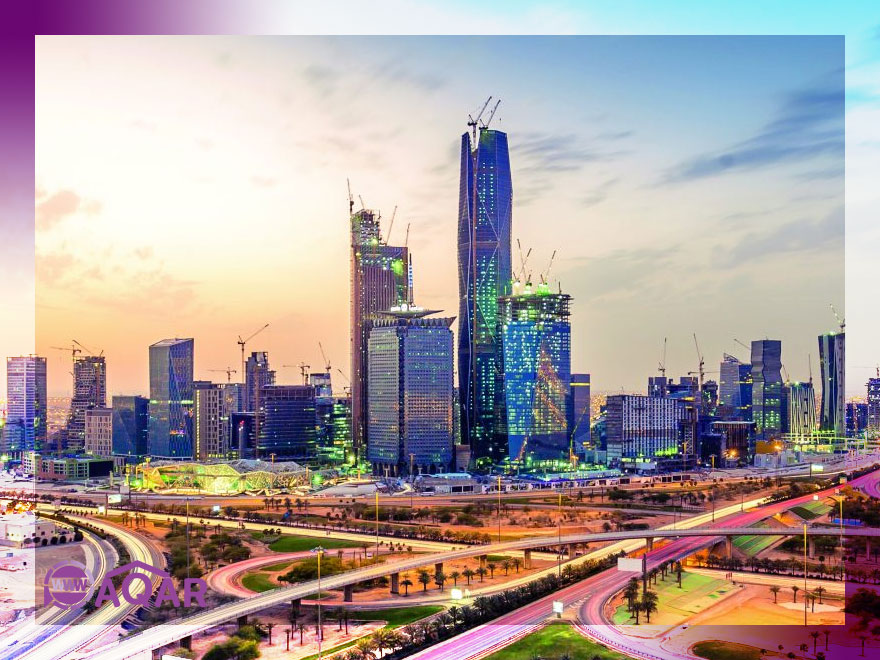
New Ownership Rights for International Investors
Starting in January, non Saudis will gain access to freehold property ownership in specified investment zones across major cities including Riyadh, Jeddah, and other urban centers. This change enables foreign investors to own commercial real estate with full ownership rights, removing previous restrictions that limited international participation in the real estate market.
Foreign residents holding valid iqama permits will be able to purchase residential property, opening opportunities for expatriate professionals and business owners to build long-term wealth through property ownership. The Ministry of Investment will oversee approval processes, working with the Ministry of Interior to ensure compliance with new regulations.
Pre-Build Investment Opportunities
Similar to Dubai’s successful model, Saudi Arabia is developing pre-build sales opportunities in condos and villas. Developers are already marketing projects with completion dates aligned to the January implementation timeline, allowing investors to secure properties at current pricing before the market fully opens to international buyers.
These pre-construction investments offer potential capital appreciation as demand increases with regulatory changes. However, investors must carefully evaluate developers’ track records and ensure proper due diligence, as the market undergoes this significant transition.
The 180-day transitional period before full implementation provides a crucial window for foreign investors to understand requirements, establish relationships with local partners, and position themselves for the market opening.
Mega-Project Investment Opportunities
Saudi Arabia’s giga-projects represent some of the most ambitious real estate developments globally, creating substantial opportunities for investors across multiple sectors. These government-backed initiatives are designed to attract both domestic and international capital while supporting the country’s economic diversification goals.
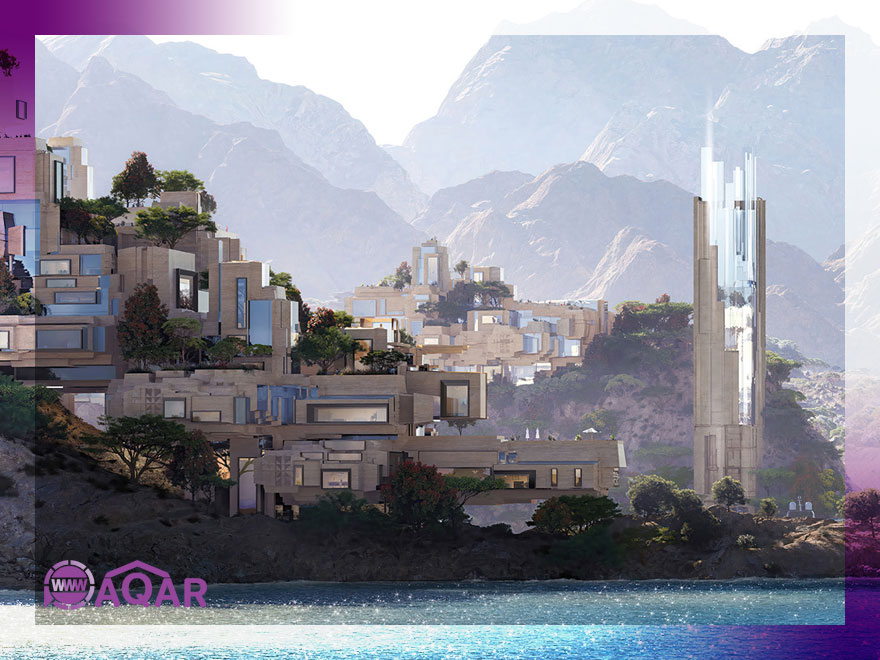
NEOM: The Future City Project
NEOM, the $500 billion futuristic city project in the northwest region, creates unprecedented demand for residential and commercial properties. This cross-border development aims to house one million residents and establish new industries in technology, tourism, and renewable energy.
Investment opportunities within NEOM include:
- Residential developments for the projected population
- Commercial office space for international companies
- Hospitality properties supporting business and leisure tourism
- Industrial facilities for manufacturing and logistics operations
The project’s focus on sustainability and smart city technologies attracts companies seeking alignment with environmental, social, and governance (ESG) criteria, potentially driving long-term property values in the region.
Red Sea Project and Tourism Development
The Red Sea Project represents Saudi Arabia’s commitment to developing a luxury tourism sector, creating significant opportunities in hospitality real estate. This coastal development targets affluent international visitors and positions the Kingdom as a premium tourist destination in the Middle East.
Investors can access opportunities in:
- Luxury resort and hotel developments
- Private villa and residential communities
- Marina and waterfront commercial properties
- Entertainment and retail facilities
Qiddiya Entertainment City
Located near Riyadh, Qiddiya will become the Kingdom’s entertainment capital, requiring extensive infrastructure and commercial development. The project includes theme parks, sports facilities, cultural venues, and residential communities, creating diverse real estate investment opportunities.
The entertainment city’s proximity to the capital provides access to a growing population of young Saudi nationals, with a median age under 30 years, representing a key demographic for leisure and entertainment spending.
Market Growth and Financial Opportunities
The Saudi real estate sector’s financial fundamentals support strong investment potential, driven by demographic trends, government policy, and economic diversification initiatives. Understanding these underlying drivers helps investors identify the most promising opportunities and timing for market entry.

Market Size and Growth Projections
Current market valuations place the Saudi real estate sector at $68.52 billion in 2024, with projections reaching $111.77 billion by 2030. This 8.86% compound annual growth rate exceeds many developed markets and reflects the Kingdom’s transformation under Vision 2030.
The growth is supported by:
- Population expansion expected to exceed 40 million by 2030
- Increasing urbanization rates as people move to cities for employment
- Growing middle class creating demand for both affordable and premium housing
- Government incentives supporting private sector real estate development
Investment Returns and Market Dynamics
Government reforms supporting private sector real estate development create opportunities for investors to benefit from both rental yields and capital appreciation. The focus on economic diversification reduces the market’s historical dependence on oil revenues, providing more stable long-term growth prospects.
Professional fund managers and institutional investors are increasingly focusing on Saudi Arabia as regional allocation strategies expand beyond traditional markets. This institutional interest provides liquidity and market depth that benefits individual investors seeking to buy property or access real estate through investment vehicles.
Financing and Capital Access
The Kingdom’s banking sector offers competitive mortgage products for both Saudi nationals and qualified foreign residents. Reforms to the mortgage market expand household access to financing, supporting residential demand while creating opportunities for investors in rental properties.
International investors can access capital through various channels:
- Local bank financing for qualified applicants
- Developer financing programs for pre-construction purchases
- Partnership structures with local investors
- Real estate investment funds and trusts
Sector-Specific Investment Opportunities
Saudi Arabia’s real estate market offers distinct opportunities across residential, commercial, and industrial sectors, each with unique demand drivers and investment characteristics. Understanding these sector dynamics helps investors align their strategies with market fundamentals and growth prospects.

Residential Real Estate
The residential sector represents the largest component of the real estate market, driven by a young population, urbanization trends, and government housing initiatives. Investment opportunities span from affordable housing to luxury developments.
Affordable Housing Segment Government initiatives targeting 70% home ownership by 2030 create sustained demand for affordable housing. The Sakani program and other public-private partnerships provide investment opportunities in developments serving middle-income Saudi families.
Premium Residential Developments High-income segments in Riyadh, Jeddah, and the Eastern Province drive demand for premium residential properties. Gated communities and luxury villas targeting affluent professionals and business owners offer higher-margin investment opportunities.
Mixed-Use Developments Projects combining residential units with retail and office spaces provide diversified income streams and appeal to urban professionals seeking live-work-play environments. These developments benefit from proximity to business districts and transportation infrastructure.
Commercial Real Estate
Saudi Arabia’s growing non-oil economy creates substantial demand for modern office space, retail developments, and hospitality properties. International companies establishing regional headquarters drive premium office demand, while consumer spending growth supports retail expansion.
Office Space Investment Grade A office buildings in Riyadh and Jeddah benefit from corporate relocations and international business expansion. The diplomatic quarter in Riyadh and business districts in major cities offer stable rental yields from high-quality tenants.
Retail and Entertainment Properties The “retailtainment” trend combines shopping with entertainment, appealing to the Kingdom’s young population. Shopping centers, entertainment complexes, and dining venues benefit from increased consumer spending and leisure activities.
Hospitality Properties Tourism growth targets under Vision 2030 create demand for hotels, serviced apartments, and resort properties. Religious tourism in the western region and business tourism in major cities provide diverse hospitality investment opportunities.
Industrial Real Estate
Saudi Arabia’s industrial development supports manufacturing, logistics, and technology sectors through specialized economic zones and industrial cities. These developments require extensive real estate investment in facilities and infrastructure.
Industrial Cities and Economic Zones Manufacturing facilities in designated industrial areas benefit from government incentives and infrastructure development. Investors can access opportunities in purpose-built industrial parks serving specific industries.
Technology and Innovation Hubs Knowledge economy initiatives create demand for technology parks and innovation centers. These facilities support the Kingdom’s goals to develop advanced industries and attract international technology companies.
Logistics and Warehousing E-commerce growth and the Kingdom’s position as a regional trade hub drive demand for modern logistics facilities. Warehousing and distribution centers benefit from improved transportation infrastructure and growing trade volumes.
Investment Methods and Platforms
Foreign investors can access Saudi Arabia’s real estate market through multiple channels, each offering different risk profiles, capital requirements, and management involvement levels. Understanding these options helps investors choose approaches that match their investment objectives and risk tolerance.

Direct Property Purchase
Licensed real estate companies facilitate direct property purchases for qualified foreign investors. This approach provides maximum control over investment decisions and property management but requires substantial capital and local market knowledge.
Investors pursuing direct purchases should:
- Work with licensed real estate agents familiar with foreign investor requirements
- Conduct thorough due diligence on properties and developers
- Understand local market conditions and neighborhood dynamics
- Establish relationships with property management companies for ongoing oversight
Real Estate Investment Trusts (REITs)
The Saudi Capital Market Authority regulates Real Estate Investment Trusts, providing investors with professionally managed exposure to the real estate market. REITs offer liquidity, diversification, and professional management while requiring lower minimum investments than direct property ownership.
Saudi REITs typically focus on:
- Commercial office buildings in major business districts
- Retail shopping centers and mixed-use developments
- Industrial properties and logistics facilities
- Hospitality properties in key tourism markets
Property Investment Crowdfunding
Platforms like Stake Properties enable smaller investors to access real estate opportunities through crowdfunding models. These platforms allow investors to purchase shares in specific properties or development projects with lower capital requirements than traditional real estate investment.
Crowdfunding benefits include:
- Lower minimum investment amounts
- Access to vetted investment opportunities
- Professional property management
- Transparent reporting and performance tracking
Joint Ventures with Local Partners
International investors often form joint ventures with local developers and construction companies to access market expertise and navigate regulatory requirements. These partnerships can provide access to prime development opportunities while sharing risks and responsibilities.
Successful joint ventures require:
- Clear agreement structures defining roles and responsibilities
- Alignment on investment objectives and exit strategies
- Local partners with strong track records and market relationships
- Proper legal documentation addressing regulatory compliance
Regional Investment Hotspots
Saudi Arabia’s regional markets offer distinct investment characteristics based on local economic drivers, demographic trends, and development initiatives. Understanding these regional differences helps investors identify opportunities aligned with their investment strategies and risk preferences.

Riyadh: Government and Business Hub
As the capital and largest city, Riyadh drives demand for commercial real estate through government operations and business expansion. The city’s growing business district and diplomatic quarter create sustained demand for premium office space and residential properties.
Key investment opportunities in Riyadh include:
- Government-related commercial developments serving ministries and agencies
- Business district office buildings for multinational corporations
- Residential communities for expatriate professionals and diplomats
- Mixed-use developments combining office, retail, and residential components
The New Administrative Capital project creates additional demand for commercial and residential properties as government operations expand and modernize.
Jeddah: Commercial Center and Red Sea Gateway
Jeddah’s position as a commercial center and gateway to the Red Sea coast provides diverse investment opportunities in business, tourism, and logistics real estate. The city’s historic role as a trade hub supports continued commercial development.
Investment opportunities include:
- Port and logistics facilities supporting international trade
- Commercial office space for trading companies and service providers
- Tourism and hospitality properties leveraging coastal location
- Retail developments serving the city’s affluent population
Eastern Province: Industrial and Energy Hub
The Eastern Province’s concentration of petrochemical and energy companies, anchored by Saudi Aramco’s presence, creates demand for industrial facilities, commercial properties, and executive housing.
Investment focus areas include:
- Industrial properties serving petrochemical and manufacturing companies
- Office buildings for energy sector service providers
- Residential developments for skilled professionals and executives
- Logistics facilities supporting industrial operations
Western Region: Religious Tourism and Coastal Development
The western region combines religious tourism in Makkah and Madinah with coastal development opportunities along the Red Sea. However, foreign investment near holy cities faces restrictions that investors must carefully navigate.
Permitted investment opportunities include:
- Hospitality properties serving religious pilgrims (outside restricted zones)
- Coastal tourism developments along the Red Sea
- Transportation and logistics facilities supporting pilgrimage operations
- Commercial properties in permitted areas of major cities
Northern Regions: NEOM and Cross-Border Trade
The northern regions benefit from NEOM development and potential cross-border trade with Jordan and Egypt. These areas offer opportunities for investors willing to enter emerging markets with significant growth potential.
Investment opportunities include:
- Residential and commercial properties within NEOM zones
- Logistics facilities supporting cross-border trade
- Tourism developments leveraging historical and natural attractions
- Industrial facilities serving regional manufacturing initiatives
Regulatory Framework and Compliance
Navigating Saudi Arabia’s real estate regulatory environment requires understanding multiple agencies’ roles, compliance requirements, and ongoing regulatory changes. The January 2026 implementation of new foreign ownership laws creates both opportunities and compliance obligations for international investors.

Government Agency Oversight
The General Real Estate Authority provides industry oversight and licensing requirements for real estate professionals and companies. All real estate transactions must involve licensed agents and comply with established professional standards.
The Ministry of Investment manages foreign investor approval processes, working to streamline procedures while maintaining regulatory oversight. Foreign investors must obtain proper approvals before completing property purchases, with processing times varying based on investment size and complexity.
The Ministry of Interior handles residential property acquisition approvals for foreign residents, ensuring compliance with security and residency requirements. Investors must maintain valid legal status and meet ongoing residency obligations.
Licensing and Professional Requirements
Real estate companies serving foreign investors must maintain proper licensing and demonstrate compliance with professional standards. Investors should verify that their representatives hold current licenses and understand foreign investment regulations.
Professional requirements include:
- Licensed real estate agent representation for all transactions
- Proper documentation of investor qualifications and approvals
- Compliance with anti-money laundering and financial reporting requirements
- Adherence to professional ethics and client protection standards
Transitional Period Implementation
The 180-day transitional period before full implementation provides time for regulatory clarity and market preparation. During this period, investors can establish relationships, complete due diligence, and prepare for market entry.
Key transitional activities include:
- Finalizing regulatory guidance and implementation procedures
- Training real estate professionals on new foreign investment requirements
- Establishing approval processes and documentation standards
- Preparing market infrastructure for increased foreign participation
Ongoing Regulatory Reviews
Saudi authorities continue reviewing regulations to balance market openness with national priorities and security considerations. Investors should stay informed about regulatory changes and ensure ongoing compliance with evolving requirements.
Regular regulatory updates address:
- Expansion or modification of permitted investment zones
- Changes to approval processes and documentation requirements
- Updates to professional licensing and oversight standards
- Adjustments to foreign ownership restrictions or permissions
Investment Risks and Challenges
While Saudi Arabia offers compelling real estate opportunities, investors must carefully evaluate risks and challenges that could impact investment performance. Understanding these factors helps investors make informed decisions and develop appropriate risk management strategies.

Economic and Market Risks
Oil price volatility continues to affect economic stability and property demand, despite economic diversification efforts. While the Kingdom has reduced its dependence on oil revenues, energy market fluctuations can still impact government spending and overall economic confidence.
Market risks include:
- Cyclical demand fluctuations based on economic conditions
- Competition from established regional markets like Dubai and Abu Dhabi
- Dependency on government mega-projects and Vision 2030 execution
- Currency exchange rate movements affecting international investor returns
Regulatory and Implementation Risks
Regulatory uncertainty during implementation of new foreign ownership laws creates potential complications for investors. While the January 2026 timeline is established, specific implementation details and procedures may evolve as authorities gain experience with foreign investment processes.
Implementation challenges may include:
- Delays in regulatory approval processes as systems are established
- Changes to permitted investment zones or ownership restrictions
- Evolving compliance requirements and documentation standards
- Potential modifications to foreign ownership laws based on initial implementation experience
Cultural and Religious Restrictions
Cultural and religious considerations limit investment opportunities in certain areas, particularly around Makkah and Madinah. Foreign investors must respect these restrictions and understand that some regions remain off-limits regardless of regulatory changes.
Restricted areas and considerations include:
- Limited foreign investment near holy cities and religious sites
- Cultural sensitivity requirements for development projects
- Respect for local customs and traditional architectural styles
- Understanding of religious observances affecting business operations
Market Competition and Entry Barriers
Competition from established regional markets creates challenges for Saudi Arabia’s real estate sector to attract international investment and talent. Investors must evaluate comparative advantages and market positioning when considering regional allocation decisions.
Competitive factors include:
- Established international investor presence in Dubai and other GCC markets
- More mature regulatory frameworks and market infrastructure in competing jurisdictions
- Historical track records and market liquidity in alternative markets
- Professional services and support networks available in competing locations
Professional Opportunities in Real Estate
Saudi Arabia’s real estate transformation creates substantial career opportunities for professionals seeking to contribute to the Kingdom’s development while building expertise in an emerging market. These opportunities span multiple disciplines and offer paths for both local and international professionals.

Development and Project Management
Large-scale real estate development projects require skilled project managers, architects, engineers, and construction professionals. The mega-projects and urban development initiatives create demand for experienced professionals who can manage complex, multi-billion-dollar developments.
Career opportunities include:
- Real estate development project management for giga-projects
- Construction management for residential and commercial developments
- Architecture and urban planning for new city developments
- Engineering services for infrastructure and building projects
Investment and Fund Management
The growth of real estate investment opportunities creates demand for investment professionals who can evaluate opportunities, manage portfolios, and serve institutional and individual investors.
Professional roles include:
- Real estate investment analysis and underwriting
- Portfolio management for real estate funds and REITs
- Asset management for commercial and residential properties
- Investment banking services for real estate transactions
Brokerage and Sales
Expansion of foreign investment and growing domestic demand create opportunities for real estate brokerage and sales professionals. Licensed agents with market knowledge and client relationship skills can build successful practices serving diverse investor needs.
Opportunities include:
- Licensed real estate agent roles serving foreign investors
- Commercial real estate brokerage for office and retail properties
- Luxury residential sales for premium market segments
- Property management services for investors and owners
Government Relations and Compliance
The evolving regulatory environment creates demand for professionals who understand compliance requirements and can navigate government relations effectively. Legal and regulatory expertise becomes increasingly valuable as the market opens to international participation.
Specialized roles include:
- Legal counsel specializing in real estate and foreign investment law
- Regulatory compliance management for real estate companies
- Government relations for development projects and foreign investment
- Risk management and due diligence services for international investors
Conclusion
Saudi Arabia’s real estate market presents exceptional opportunities for international investors as the Kingdom implements transformative regulatory changes and pursues ambitious development initiatives. The January 2026 implementation of foreign ownership laws marks a pivotal moment for investors seeking to enter one of the Middle East’s most promising markets.
The convergence of demographic growth, economic diversification, and regulatory reform creates a unique investment environment with strong fundamentals supporting long-term growth. From mega-projects like NEOM to urban residential developments, investors can access diverse opportunities across residential, commercial, and industrial sectors.
However, success requires careful attention to regulatory compliance, cultural considerations, and market dynamics specific to the Kingdom. Investors must work with qualified local partners, maintain proper documentation, and ensure alignment with evolving regulatory requirements.
For those ready to navigate this complex but rewarding market, Saudi Arabia offers the potential for significant returns while contributing to the Kingdom’s historic transformation. The next few years will be crucial for positioning investments to benefit from the country’s continued development and growing integration with global markets.
International investors interested in exploring these opportunities should begin preparation now, establishing relationships with local partners and gaining familiarity with regulatory requirements before the January 2026 market opening. The timing provides a strategic advantage for early entrants who can position themselves effectively in this transforming market.
Read more:
Real Estate Opportunities in Egypt: A Comprehensive Investment Guide
Top Real Estate Opportunities in UAE for Investors and Homebuyers

2 thoughts on "Real Estate Opportunities in Saudi Arabia: A Complete Investment Guide for 2026"