


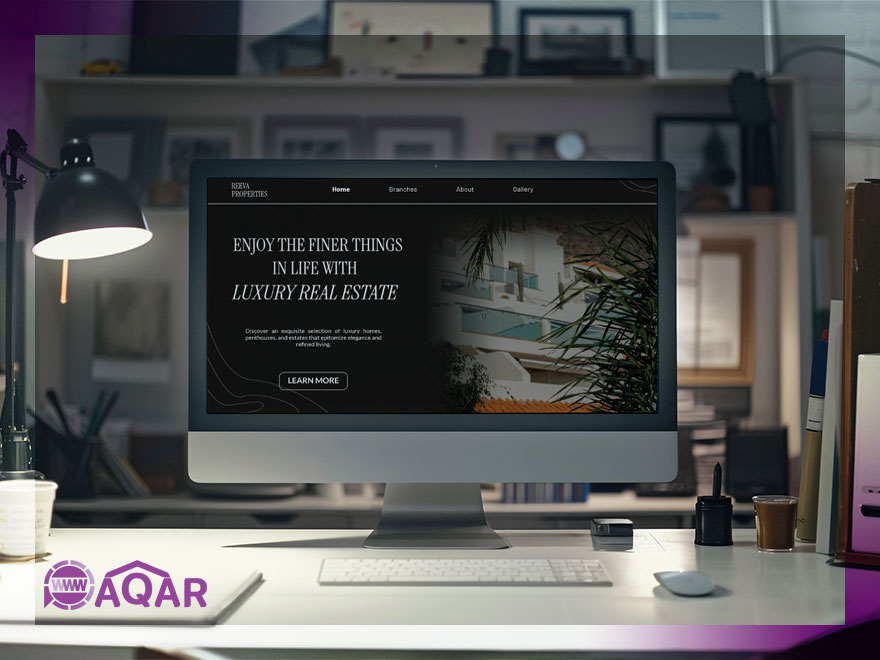
Over 15,000 real estate agents have discovered the power of focused property marketing through single property websites. In today’s competitive real estate market, agents need every advantage to make their listings stand out and convert potential buyers into actual clients.
A real estate one page website represents a revolutionary approach to property marketing that eliminates distractions and focuses entirely on showcasing a single listing. Unlike traditional multi-page real estate websites that can overwhelm visitors with dozens of properties, these streamlined sites create a seamless experience designed specifically for one property.
This comprehensive guide will explore everything you need to know about creating effective single property websites, from essential features and design elements to cost considerations and implementation strategies. Whether you’re a seasoned broker or new agent, you’ll discover how to leverage this powerful marketing tool to generate more leads and close more deals.
What is a Real Estate One Page Website
A real estate one page website is a focused digital marketing tool designed specifically to showcase an individual property listing. These specialized property websites concentrate all essential information, images, and contact forms on a single, vertically-scrolling page rather than spreading content across multiple linked pages.

The fundamental difference between one page websites and traditional multi-page real estate sites lies in their approach to visitor attention. While conventional websites display entire portfolios of properties, single property websites eliminate competing listings that might divert potential buyers away from the featured home. This concentrated focus creates a narrative journey that guides prospects through carefully sequenced information designed to build interest and drive contact action.
Research shows that over 30% of top WSJ-ranked agents use single property websites for their high-value listings. These sites prove particularly effective for luxury properties, quick sales scenarios, open house promotions, and targeted marketing campaigns where agents want to direct social media advertising or email marketing traffic to a specific destination.
The single-page format aligns perfectly with contemporary web browsing behaviors, especially on mobile devices where continuous scrolling has become the preferred interaction pattern. Rather than requiring users to click through multiple pages to access different types of information, visitors can explore all property details, view image galleries, watch virtual tours, and submit contact forms without ever leaving the main page.
Primary use cases for real estate one page websites include marketing luxury properties where additional investment in presentation justifies the effort, promoting properties in competitive markets where differentiation provides strategic advantage, and supporting time-sensitive sales where quick lead generation is essential. Agents also use these sites for open house events, allowing visitors to register online and providing lead capture opportunities even for prospects who decide not to attend in person.
Key Benefits of One Page Real Estate Websites
Single property websites deliver measurably faster loading times compared to complex multi-page sites. With all content consolidated on one page, browsers need fewer server requests and can cache resources more efficiently. This speed advantage proves crucial since visitors typically abandon websites that take longer than three seconds to load, particularly on mobile networks where connection speeds may vary.

Higher conversion rates represent perhaps the most compelling benefit of the one page approach. Without navigation menus or links to competing properties, site visitors remain focused on the featured listing throughout their entire website experience. This concentrated attention eliminates the distraction of other properties that might divert potential buyers away from the agent’s primary marketing objective.
Better SEO performance emerges from the focused content structure that allows search engines to clearly understand the page’s purpose and relevance. Single property websites can rank higher on Google searches for specific address queries, neighborhood searches, and property-type combinations. The concentrated keyword targeting around one property creates stronger topical authority than diluted content spread across multiple pages.
Cost-effective implementation makes these sites accessible to agents at all experience levels. Unlike comprehensive multi-page websites requiring ongoing content creation and maintenance, single property websites need minimal updates once launched. Hosting resources remain modest since the sites contain limited pages and typically generate traffic only during active marketing periods.
The mobile-first approach ensures seamless viewing experiences across smartphones and tablets where the majority of real estate searches now occur. Touch target sizing, thumb-friendly navigation placement, and responsive image optimization create user experiences specifically designed for mobile browsing patterns. This mobile optimization directly impacts lead generation since frustrated mobile users rarely complete contact forms on poorly optimized sites.
Enhanced sharing capabilities support social media marketing campaigns across Facebook, Instagram, and LinkedIn platforms. The single URL makes sharing simple and trackable, allowing agents to measure which social media channels drive the most qualified traffic. QR codes linking to the property website can bridge offline marketing materials like postcards and yard signs with digital engagement opportunities.
Essential Features for Real Estate One Page Websites
High-quality property photography forms the visual foundation that determines first impressions and overall site effectiveness. Professional real estate photography proves absolutely essential rather than optional, as images perform the primary work of conveying property appeal and value proposition. Research indicates that staged homes sell approximately 87 percent faster than unstaged properties while commanding premium prices averaging 17 percent higher.

The property photography gallery should feature full-screen image displays that allow visitors to explore spaces thoroughly without feeling constrained by small thumbnails. Large-format images showcase room layouts, natural lighting conditions, and architectural details that help potential buyers mentally envision themselves living in the space. Virtual staging technology can digitally furnish and enhance photographs within 24 hours, providing cost-effective alternatives to traditional staging methods.
Interactive virtual tour integration enables potential buyers to experience spatial relationships and flow patterns that static photography cannot adequately convey. 360-degree viewing capabilities transport prospects into the property environment, providing immersive experiences that closely approximate in-person tours. These virtual experiences prove particularly valuable for out-of-town buyers or initial screening before scheduling physical showings.
Property details sections must present essential information in easily digestible formats. Price, square footage, bedroom and bathroom counts, lot size, year built, and recent upgrades deserve prominent positioning where visitors expect to find basic listing information. Additional details about neighborhood amenities, school ratings, and proximity to transportation or employment centers help buyers evaluate the property within their lifestyle context.
Google Maps integration showing exact location and neighborhood highlights provides valuable geographic context that addresses buyer questions about commute times, nearby services, and area characteristics. Interactive maps allow visitors to explore surrounding areas and drop location pins on places of personal interest, reducing friction in the research process while keeping them engaged with the property website.
Lead capture forms with CRM integration streamline the conversion process from interested visitor to qualified prospect. Effective forms balance the need for useful contact information against the friction that lengthy forms create. Name, email address, phone number, and perhaps one qualifying question about buyer timeline typically provide sufficient information for initial follow-up while maintaining high completion rates.
Agent contact information and professional headshot placement establish personal connections and build trust with potential clients. The agent’s photograph, direct phone number, email address, and professional credentials should appear prominently without overwhelming the property information. This personal branding creates accountability and gives prospects confidence in the professional relationship they’re considering.
Social sharing buttons for Facebook, Instagram, and LinkedIn distribution extend the website’s reach beyond direct traffic sources. Easy sharing functionality encourages visitors to recommend properties to friends, family members, or colleagues who might be interested. These organic referrals often generate highly qualified leads since they come with personal recommendations from trusted sources.
Design Elements That Convert Visitors to Leads
The hero section establishes immediate impact through compelling property headlines and stunning cover images or video content. This above-the-fold area must capture attention within seconds and clearly communicate the property’s primary selling points. Effective headlines highlight unique features, location advantages, or value propositions that differentiate the listing from competing properties in the market.

Clean, minimalist layouts focus visitor attention on property highlights rather than competing design elements. The design philosophy emphasizes simplicity that allows the property itself to communicate its value proposition, mirroring the experience of an in-person tour where the space speaks for itself. Excessive graphics, complex navigation, or unnecessary animations distract from the property and can reduce conversion rates.
Strategic use of white space enhances visual appeal and readability while creating a sophisticated, professional appearance. Adequate spacing around text blocks, images, and interactive elements makes content easier to scan and digest. White space also draws attention to call-to-action buttons and important information by creating visual separation from surrounding content.
Consistent brand colors and typography matching agent or brokerage identity reinforce professional credibility and recognition. A cohesive visual identity creates familiarity across different properties and marketing materials while building the agent’s personal brand. Color psychology plays a meaningful role, with blue tones communicating trustworthiness, green representing growth and new beginnings, and black conveying luxury for high-end listings.
Smooth scrolling animations and subtle movement effects create modern appeal without overwhelming visitors or slowing page performance. These interactive elements should enhance the user experience rather than serve as unnecessary decoration. Parallax scrolling, fade-in animations, and hover effects can guide attention to important content when implemented judiciously.
Call-to-action buttons positioned at optimal scroll points maximize engagement by matching action requests to visitor decision-making progress. Early in the page, softer calls to action like “Get More Information” align with visitors still in research phases. After viewing galleries and reading detailed descriptions, stronger actions like “Schedule a Showing” make logical sense when prospects have sufficient information to decide whether an in-person visit merits their time.
Popular One Page Real Estate Template Styles
Modern minimalist designs focus on clean lines and vibrant visuals that let property photography take center stage. Templates like “Syd” and “Mode” exemplify this approach with generous white space, simple navigation, and typography that doesn’t compete with property images. These designs work particularly well for contemporary properties and agents targeting younger demographics who appreciate sleek, uncluttered presentations.
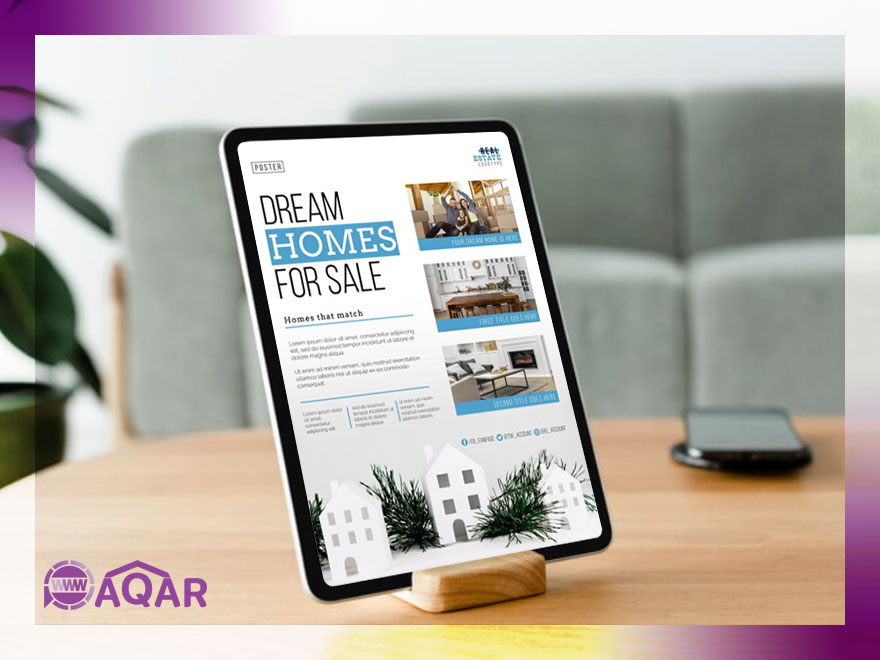
Luxury-focused templates such as “Lux” and “Pipeline” cater specifically to high-end property marketing with sophisticated color palettes, elegant typography, and layouts designed to convey exclusivity. These templates often feature darker backgrounds that make property photography appear more dramatic and premium. Gold or silver accent colors, serif fonts, and refined styling elements appeal to luxury buyers who expect polished, professional presentations.
Photography-centric options like “Stak” and “Focal” emphasize visual storytelling through large-format image displays and innovative gallery layouts. These templates minimize text content in favor of immersive visual experiences that showcase properties through carefully curated photographic narratives. Full-screen image backgrounds, overlapping photo arrangements, and creative aspect ratios create memorable visual impact.
Interactive templates including “Arlo” provide full-screen virtual tour experiences integrated seamlessly with traditional property information. These designs prioritize user engagement through clickable hotspots, 360-degree views, and multimedia content that keeps visitors actively exploring rather than passively scrolling. The interactive elements create longer session durations and higher engagement rates.
Contemporary designs like “Karr” and “Dax” balance sophistication with accessibility, offering professional appearances without intimidating first-time buyers or appearing overly formal. These templates use modern color schemes, readable fonts, and intuitive layouts that appeal to broad demographic ranges while maintaining professional credibility.
Most quality templates offer fully customizable options allowing agents to match brand colors, upload custom logos, and modify layout elements to reflect their unique positioning. This customization capability enables consistent branding across multiple property websites while maintaining the template’s proven conversion optimization features. Agents can easily customize typography, color schemes, and content organization without requiring technical expertise.
Technical Requirements and Best Practices
Responsive design ensures compatibility across all devices and screen sizes, from large desktop monitors to small smartphone screens. With the majority of real estate searches occurring on mobile devices, websites must deliver seamless experiences regardless of how visitors access the content. Responsive frameworks automatically adjust layouts, image sizes, and interactive elements to optimize viewing on each device type.

Page load speed optimization requires careful attention to image compression and hosting infrastructure. Property websites should load completely within three seconds on mobile networks to prevent visitor abandonment. Large, high-resolution property photographs need compression techniques that maintain visual quality while reducing file sizes. Content delivery networks can serve images from geographically distributed servers to minimize loading delays.
SEO optimization encompasses meta descriptions, title tags, and structured data markup that help search engines understand and rank the property content. Location-specific keywords including property address, neighborhood name, and nearby landmarks should appear naturally throughout the content. Local SEO elements help the website appear in geographic searches by potential buyers researching specific areas.
SSL certification and secure hosting provide professional credibility while protecting visitor information submitted through contact forms. Security certificates display trust indicators in browser address bars and prevent warning messages that could discourage form submissions. Reliable hosting infrastructure ensures consistent website availability during marketing campaigns when traffic volumes may spike.
Integration capabilities with popular CRM systems like Follow Up Boss and Chime automate lead management and follow-up processes. When visitors submit contact forms, CRM integration ensures immediate lead notification and entry into systematic nurture campaigns. This automation prevents leads from being overlooked while enabling personalized follow-up based on expressed interest levels.
Analytics tracking setup enables measurement of visitor engagement, traffic sources, and conversion rates. Google Analytics integration provides insights into which marketing channels drive the most qualified traffic and which content sections generate the highest engagement. Heat mapping tools reveal visitor scroll patterns and interaction behaviors that inform optimization decisions for future property websites.
Creating Effective Property Websites in 2024
The step-by-step process begins with selecting appropriate templates based on property type, target market, and brand positioning. Luxury properties benefit from sophisticated, darker templates while family homes might work better with bright, welcoming designs. Agents should consider their typical client demographics and choose templates that resonate with those specific audiences.

Content strategy requires professional photography as the foundation, with at least 20-30 high-quality images showcasing every room, exterior views, and neighborhood context. Staging, whether physical or virtual, significantly impacts visitor engagement and perceived property value. Recent upgrades, unique features, and location advantages deserve prominent mention in property descriptions that focus on benefits rather than just features.
Domain naming conventions should prioritize memorability and ease of communication. Property-specific domains like “123MainStreetHome.com” work well for print advertising and verbal sharing, while subdomain approaches like “123mainstreet.agencyname.com” maintain brand consistency. Shortened URLs provide alternatives for social media sharing and tracking campaign performance across different channels.
The typical launch timeline spans 2-3 hours from template selection to live website when using specialized real estate platforms. This rapid deployment capability allows agents to create property websites quickly for new listings or time-sensitive marketing opportunities. The streamlined process includes content upload, customization, domain setup, and initial SEO configuration.
Marketing integration planning should begin before website launch to maximize immediate impact. Paid advertising campaigns on Instagram, Facebook, and Google Ads can drive targeted traffic based on demographics, location, and interest criteria. Email marketing to existing database contacts provides another traffic source, particularly when segmented by previous property preferences or buyer criteria.
Performance monitoring using Google Analytics and heat mapping software provides ongoing insights for optimization. Tracking visitor behavior, conversion rates, and traffic sources helps agents understand which marketing channels generate the highest-quality leads and which website elements could be improved for better performance.
Cost Considerations and Platform Options
Free options are available through several platforms that offer up to 20 property websites at no cost, making single property marketing accessible to agents at all budget levels. These free tiers typically include basic templates, hosting, and lead capture functionality sufficient for testing the approach or serving smaller markets where premium features aren’t essential.

Premium template costs range from $49-199 for professional designs with advanced features like virtual tour integration, CRM connectivity, and premium branding options. The investment in higher-quality templates often pays for itself through improved conversion rates and enhanced professional presentation that justifies higher commission structures.
Hosting requirements and domain registration expenses typically total under $100 annually per property website. Many specialized real estate platforms include hosting in their service packages, simplifying technical management while ensuring reliable performance. Domain costs vary based on naming strategy, with generic domains available for standard registration fees.
Platform comparison between WordPress, Webflow, and specialized real estate solutions reveals different strengths for various use cases. WordPress offers maximum customization but requires technical expertise, while specialized platforms provide real estate-specific features with simpler implementation. Webflow balances design flexibility with user-friendliness but may lack industry-specific integrations.
ROI expectations show increased lead generation within the first 30 days of launch for well-executed property websites. Conversion rates typically improve 2-3x compared to traditional listing presentations, particularly for properties in competitive markets where differentiation provides strategic advantage. The focused approach often generates higher-quality leads since visitors demonstrate genuine interest by spending time exploring detailed property information.
Maintenance costs remain minimal once websites launch since single property sites require limited ongoing updates. Unlike blog-driven websites needing regular content creation, property websites primarily need periodic updating of availability status and contact information. Most platforms handle technical maintenance automatically, allowing agents to focus on marketing rather than website management.
Conclusion
Real estate one page websites represent a powerful evolution in property marketing that delivers measurable results for agents willing to embrace focused, client-centered approaches. The combination of faster loading times, higher conversion rates, and cost-effective implementation makes these specialized property websites an essential tool for modern real estate professionals.
Success with single property marketing depends on understanding your target audience, investing in professional photography, and creating seamless experiences that guide potential buyers naturally toward contact action. The technical requirements remain manageable while the design possibilities allow for creative expression that matches your professional brand and market positioning.
Whether you’re marketing luxury properties, serving first-time buyers, or working in competitive markets where every advantage matters, implementing real estate one page websites can transform your digital marketing results. The 15,000+ agents already using this approach demonstrate its effectiveness across diverse markets and price points.
Ready to transform your property marketing? Start creating your first real estate one page website today and discover how focused, professional presentation can generate more qualified leads and faster sales for your listings.
Read more:
Real Estate Opportunities in Saudi Arabia: A Complete Investment Guide for 2026


2 thoughts on "Real Estate One Page Website: Complete Guide to Single Property Marketing"