


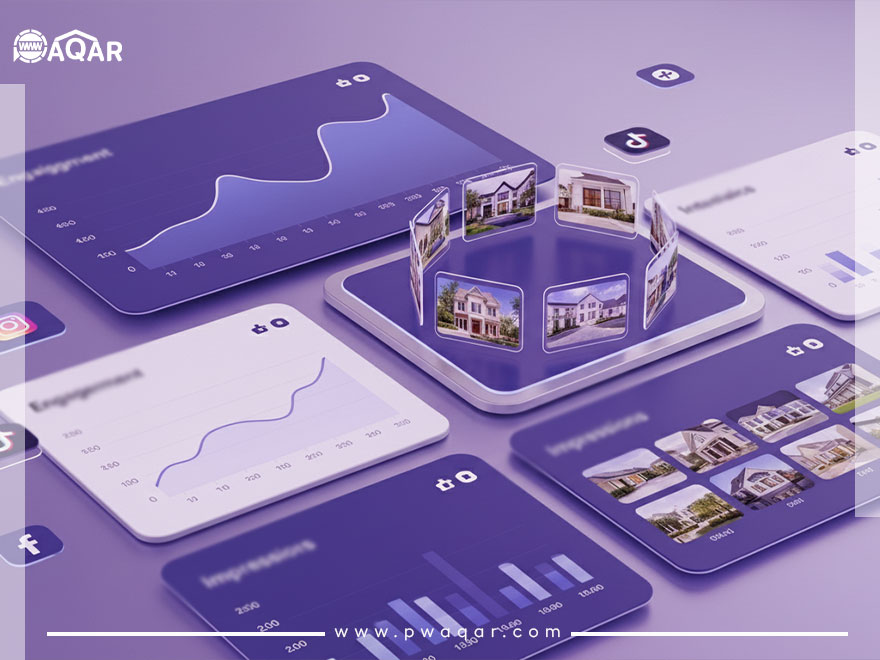
In 2025, 96% of home buyers start their property search online, and with 4.88 billion social media users worldwide, the opportunity for real estate agents has never been greater. Yet despite these massive numbers, many real estate professionals struggle to convert their social media presence into actual business results.
The difference between successful real estate agents and those who waste time on social media platforms comes down to strategy. While most realtors post random property listings and hope for the best, top performers use data-driven social media strategies that actually work for real estate lead generation and client acquisition.
This comprehensive guide reveals the proven social media marketing tactics that generate qualified leads, build lasting client relationships, and drive measurable business growth for real estate professionals in today’s competitive market.
Why Real Estate Agents Need Strategic Social Media in 2025
The real estate industry has undergone a dramatic transformation. Traditional marketing methods like billboards, newspaper ads, and cold calling are rapidly losing effectiveness as potential clients increasingly turn to social media channels for property research and agent selection.

Consider these compelling statistics that demonstrate why strategic social media is no longer optional for real estate success:
- 77% of real estate agents actively use social media for business, with 47% attributing their highest-quality leads to social media campaigns
- 87% of realtors use Facebook as their primary platform, while 62% leverage Instagram for visual storytelling
- Agents using social media report up to 22% greater year-over-year business growth compared to those relying solely on traditional channels
- Social media generates 52% more high-quality leads for agents who implement strategic approaches versus random posting
The shift from traditional to digital marketing represents more than just changing consumer preferences—it’s a fundamental evolution in how real estate business is conducted. Today’s potential clients expect to find comprehensive information, authentic testimonials, and engaging content from real estate professionals before making contact.
A strategic approach to real estate social media marketing differs significantly from simply posting property listings. Successful agents create content calendars, develop target audience personas, track engagement metrics, and continuously optimize their approach based on data-driven insights.
The most successful real estate professionals understand that social media platforms serve as powerful tools for building relationships, establishing credibility, and creating multiple touchpoints with prospective clients throughout their buying or selling journey.
Platform-Specific Strategies That Generate Real Results
Each social media platform requires a tailored approach to maximize effectiveness. Here’s how top-performing real estate agents leverage platform-specific features to generate qualified leads and build their personal brand.
Facebook: Community Building and Targeted Advertising
Facebook remains the dominant platform for real estate marketing, offering unparalleled reach and sophisticated targeting capabilities. Smart real estate agents use Facebook as more than just a posting platform—they build communities and run precision-targeted advertising campaigns.
Create an Optimized Business Page
Your Facebook business page serves as your digital storefront. Include complete contact information, service areas, professional credentials, and a clear value proposition. Use high quality photos for your profile and cover images that reflect your personal brand and local community.
Leverage Facebook Groups for Authority Building
Join local community groups and share valuable market insights without direct selling. Position yourself as a knowledgeable resource by answering questions about market trends, home buying processes, and neighborhood information. This approach builds trust and generates referrals organically.
Master Facebook Live for Virtual Engagement
Use Facebook Live for virtual open houses, market update sessions, and Q&A opportunities. Live video generates 6x more engagement than standard posts and allows real-time interaction with potential clients. Schedule regular live sessions to build a consistent audience.
Run Targeted Advertising Campaigns
Facebook’s advertising platform allows precise targeting by demographics, location, interests, and behaviors. Create separate campaigns for different buyer segments—first-time homebuyers, luxury buyers, or investors—with customized messaging for each audience.
Successful agents report that Facebook retargeting campaigns reduce cost-per-lead by up to 30% while increasing conversion rates from social media visitors by 20-35%. Target users who visited your website, engaged with your content, or match your ideal client avatar.
Instagram: Visual Storytelling That Converts
Instagram’s visual-first format makes it perfect for showcasing properties and building an aspirational brand. The platform’s younger demographic aligns well with millennial and Gen Z homebuyers who represent a growing segment of the real estate market.
Focus on High-Quality Visual Content
Professional photography and videography are non-negotiable on Instagram. Listings with professional photography receive 118% more views than those without. Invest in quality equipment or professional services to ensure your content stands out in crowded feeds.
Maximize Instagram Stories and Reels
Instagram Stories provide perfect opportunities for behind the scenes footage, quick property tours, and real-time market updates. Create Stories Highlights organized by categories like “Property Tours,” “Client Testimonials,” and “Market Tips” to showcase your expertise.
Reels drive the highest visibility on Instagram, with the algorithm favoring this format for discovery. Create short videos featuring property highlights, home staging transformations, and educational content about the real estate process.
Implement Strategic Hashtag Usage
Combine local hashtags (#YourCityRealEstate) with broader industry tags (#RealEstate, #HomeBuying) to reach both local prospects and establish industry credibility. Research hashtag performance using Instagram analytics to optimize your reach.
Create Engaging Carousel Posts
Carousel posts allow multiple images in a single post, perfect for before-and-after staging photos, neighborhood highlights, or step-by-step buying guides. These posts typically generate higher engagement rates than single-image posts.
LinkedIn: Professional Networking and B2B Growth
LinkedIn serves as the premier platform for establishing thought leadership and building professional networks within the real estate industry. Smart agents use LinkedIn to connect with industry professionals and position themselves as market experts.
Share Market Analysis and Industry Insights
Publish detailed market reports, trend analyses, and economic forecasts to demonstrate your expertise. Long-form content performs well on LinkedIn, allowing you to dive deep into local market conditions and provide invaluable insights to your professional network.
Network with Industry Professionals
Connect with mortgage brokers, home inspectors, contractors, and other real estate professionals to build a referral network. These connections often lead to high-quality referrals and collaborative opportunities.
Participate in Professional Groups
Join LinkedIn groups focused on real estate, local business, and industry trends. Share expertise, ask thoughtful questions, and engage with other professionals’ content to build credibility and expand your reach.
YouTube: Long-Form Content for SEO and Lead Generation
YouTube functions as the world’s second-largest search engine, making it invaluable for real estate professionals seeking to capture search traffic and establish authority through educational content.
Create Neighborhood Tour Videos
Develop comprehensive neighborhood tours highlighting local amenities, schools, transportation, and lifestyle factors. These evergreen videos continue generating leads long after publication and help establish you as the local market expert.
Develop Educational Series
Create ongoing series like “First-Time Buyer Tips,” “Investment Property Strategies,” or “Home Selling Secrets.” Educational content builds trust and positions you as a helpful resource rather than just another salesperson.
Produce Detailed Property Walkthroughs
High-quality property tours with engaging narration help potential buyers envision themselves in the space. Include details about features, neighborhood benefits, and lifestyle factors that photos alone cannot convey.
Optimize for Search Discovery
Use relevant keywords in video titles, descriptions, and tags to improve search rankings. Create compelling thumbnails and write detailed descriptions that help both viewers and search algorithms understand your content.
TikTok: Capturing Gen Z and Millennial Buyers
TikTok’s rapid growth and younger demographic make it essential for agents targeting millennial and Gen Z buyers. The platform rewards authentic, entertaining content over polished promotional material.
Create Entertaining Property Tours
Use trending music and creative transitions to showcase properties in engaging ways. Focus on unique features, stunning views, or interesting architectural details that create visual impact.
Show Authentic Behind-the-Scenes Content
Share day-in-the-life content, client interactions (with permission), and the reality of real estate work. Authenticity resonates strongly with TikTok audiences and helps build personal connections.
Participate in Trending Challenges
Adapt popular TikTok challenges to real estate contexts while maintaining professionalism. This approach helps content reach broader audiences through trending hashtags and discovery algorithms.
Simplify Complex Concepts
Use TikTok’s short format to break down complicated real estate processes into digestible, shareable content. Explain mortgage basics, closing procedures, or market trends in simple, engaging ways.
Content Types That Actually Drive Engagement and Leads
Successful real estate social media marketing relies on diverse content types that serve different purposes in the client journey. The most effective agents create content that educates, entertains, and inspires action from their target audience.
Video Content That Converts
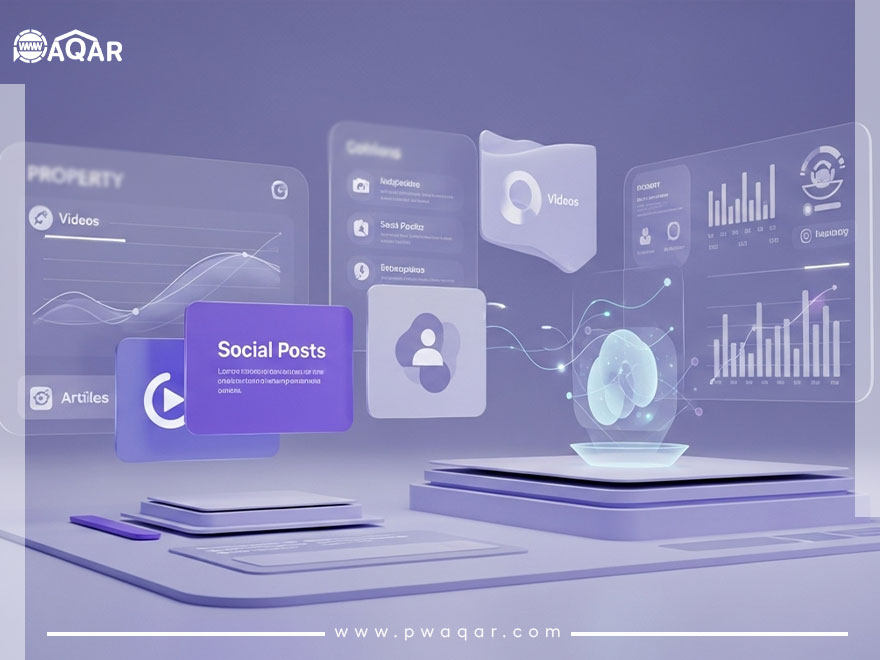
Video content consistently outperforms static images across all social media platforms, with real estate video posts generating 49% more engagement than photo-only content. Here’s how to leverage different video formats for maximum impact:
Property Walkthrough Videos
Professional property tours remain the cornerstone of real estate video content. Statistics show that 73% of homeowners prefer agents who offer video tours, making this content type essential for competitive advantage.
Create detailed walkthroughs that highlight unique features, natural light, room flow, and lifestyle benefits. Include exterior shots that showcase the neighborhood, parking, and outdoor spaces. Use steady camera movements and clear narration to help viewers envision themselves living in the space.
Client Testimonial Videos
Authentic client testimonials provide powerful social proof that influences potential clients’ decision-making. Video testimonials feel more genuine than written reviews and allow prospects to see real people sharing their positive experiences.
Record testimonials shortly after successful closings when emotions and details are fresh. Ask specific questions about the service experience, communication quality, and results achieved. Keep videos between 60-90 seconds for optimal social media performance.
Market Update Videos
Regular market analysis videos position you as the local expert while providing valuable information to your audience. Share current statistics, price trends, inventory levels, and predictions for future market conditions.
Use visual aids like charts, graphs, or neighborhood maps to make data more engaging and understandable. Keep market updates timely and relevant to your specific service area.
Staging and Design Transformation Videos
Before-and-after staging videos showcase your attention to detail and marketing expertise. These transformations demonstrate the value you bring to sellers while inspiring potential buyers with design possibilities.
Time-lapse videos work particularly well for staging content, compressing hours of work into engaging short videos that highlight dramatic improvements.
Educational and Community-Focused Content
Educational content builds trust and positions you as a helpful resource rather than just another salesperson. This approach generates higher-quality leads who view you as an expert advisor.

Local Market Reports and Housing Statistics
Share monthly or quarterly market reports specific to your service area. Include data on median home prices, days on market, inventory levels, and year-over-year comparisons. Local data provides more value than generic national statistics.
Present information in visually appealing formats using infographics, charts, or video presentations. Explain what the data means for buyers and sellers in practical terms.
Home Buying and Selling Guidance
Create content that simplifies complex real estate processes for your audience. Cover topics like mortgage pre-approval, home inspection basics, closing cost breakdowns, and timeline expectations.
Break complex topics into digestible pieces that provide genuine value. This educational approach builds trust and keeps you top-of-mind when prospects are ready to take action.
Neighborhood Spotlights and Local Business Features
Showcase the communities you serve by highlighting local businesses, restaurants, schools, and amenities. This content demonstrates your local knowledge while building relationships with other business owners who may provide referrals.
Partner with local businesses for cross-promotional opportunities. Feature their services while they share your content with their customers, expanding your reach within the local community.
Home Improvement and Design Inspiration
Share trending design ideas, seasonal maintenance tips, and home improvement projects that add value. This content appeals to current homeowners who may become future clients while providing ongoing value to your audience.
Focus on improvements that offer strong return on investment and appeal to your local market preferences.
Interactive Content for Maximum Engagement
Interactive content generates higher engagement rates and provides valuable insights about your audience preferences and needs.

Polls and Surveys About Home Preferences
Use Instagram and Facebook polls to gauge audience preferences on home features, design styles, or neighborhood amenities. This content generates engagement while providing market research insights.
Create polls about local market conditions, preferred home features, or real estate trends. Share results to continue the conversation and demonstrate your connection to market preferences.
Live Q&A Sessions About Real Estate Processes
Host regular live sessions where followers can ask questions about buying, selling, or market conditions. Live interaction builds personal connections and positions you as an accessible expert.
Promote upcoming live sessions in advance and save recordings for future reference. Create a consistent schedule so followers know when to tune in for expert advice.
Contests and Giveaways with Local Business Partnerships
Partner with local businesses for contests that provide value while expanding your reach. Offer prizes like home maintenance services, restaurant gift cards, or local experience packages.
Require participants to follow your account, tag friends, and share content to increase visibility. Ensure contest rules comply with platform guidelines and local regulations.
User-Generated Content from Satisfied Clients
Encourage past clients to share photos of their new homes, moving day experiences, or home improvement projects. User generated content provides authentic social proof while expanding your content library.
Create branded hashtags for clients to use when sharing their experiences. Repost client content (with permission) to showcase successful transactions and happy customers.
Proven Tactics for Building Your Real Estate Brand
Building a strong personal brand on social media requires consistent effort and strategic thinking. The most successful real estate agents develop recognizable brands that differentiate them from competitors and resonate with their target audience.

Tag Local Businesses for Community Building
Regularly feature and tag local businesses in your posts to build mutually beneficial relationships. When you showcase a local restaurant, coffee shop, or service provider, they often reciprocate by sharing your content with their customers.
This strategy expands your reach within the local community while positioning you as someone who supports and knows the area well. Local businesses also become potential sources of referrals when their customers need real estate services.
Create Themed Content Days for Consistency
Develop consistent content themes for different days of the week to build audience expectations and streamline your content creation process. Popular themes include “Market Monday” for sharing statistics and trends, “Feature Friday” for highlighting new listings, and “Wisdom Wednesday” for educational content.
Themed content helps maintain posting consistency while ensuring variety in your content mix. Followers begin to anticipate and look forward to specific types of content on particular days.
Respond Promptly to Build Professional Credibility
Response time significantly impacts how potential clients perceive your professionalism and reliability. Aim to respond to comments and direct messages within 2-4 hours during business hours.
Quick responses demonstrate that you value communication and are accessible when clients need assistance. This responsiveness often becomes a differentiating factor when prospects choose between competing agents.
Share Personal Experiences for Authenticity
Include personal stories about your own home buying or selling experiences to build authentic connections with your audience. These stories humanize your brand and help prospects relate to you on a personal level.
Share challenges you’ve overcome, lessons learned, or memorable moments from your real estate journey. Authenticity builds trust and helps differentiate you from agents who only share promotional content.
Feature Team Members and Their Expertise
If you work with a team, regularly feature other team members and their specializations. This approach demonstrates the breadth of expertise available to clients while building a stronger team brand.
Highlight each team member’s unique skills, certifications, or areas of focus. This content shows prospects that they’ll have access to comprehensive expertise and specialized knowledge.
Collaborate with Local Influencers
Partner with local influencers, lifestyle bloggers, or community leaders to expand your reach and build credibility. Choose collaborators whose audiences align with your target market and whose values match your brand.
Influencer partnerships can include property tours, neighborhood guides, or educational content about the home buying process. These collaborations expose your brand to new audiences while leveraging established trust relationships.
Technology and Tools That Amplify Results
The right technology stack can significantly amplify your social media marketing results while streamlining your workflow. Successful real estate agents leverage these tech tools to create better content, maintain consistency, and track performance effectively.

3D Virtual Tour Technology
Platforms like Matterport create immersive 3D experiences that allow potential buyers to explore properties remotely. These virtual tours generate significantly more engagement than traditional photo galleries and help qualify serious buyers before in-person showings.
Virtual tours also provide shareable content across multiple social media platforms. Create short preview videos for Instagram and TikTok while linking to full tours for serious prospects.
Social Media Scheduling and Management Tools
Tools like Buffer, Hootsuite, Later, and Sprout Social allow you to plan, schedule, and manage content across multiple platforms from a single dashboard. Consistent posting schedules improve algorithm performance and keep you visible to your audience.
These platforms also provide analytics that help you understand which content performs best, optimal posting times, and audience engagement patterns. Use this data to continuously refine your content strategy.
Social Media Aggregation and Cross-Platform Publishing
Social media aggregation tools help maintain consistent presence across multiple platforms without manually posting to each one. However, remember that each platform has unique optimal formats and audience expectations.
Customize content for each platform even when using scheduling tools. What works on LinkedIn may not perform well on TikTok, so adapt your messaging and format accordingly.
Analytics and Performance Tracking Tools
Beyond platform-native analytics, tools like Google Analytics, Sprout Social, and HubSpot provide deeper insights into how social media drives website traffic and lead generation.
Track meaningful metrics that connect to business outcomes rather than just vanity metrics like likes and follows. Focus on engagement rates, click-through rates, lead conversions, and ultimately, closed transactions from social media sources.
Mobile-Friendly Landing Pages and Lead Capture
Create mobile-optimized landing pages specifically for social media traffic. These pages should load quickly, feature clear value propositions, and include simple forms for lead capture.
Tools like Leadpages, Unbounce, or even simple WordPress landing pages can effectively capture leads from social media campaigns. Ensure forms are short and only request essential information to maximize conversion rates.
Customer Relationship Management (CRM) Integration
Connect your social media efforts to your CRM system to track lead sources and nurture prospects effectively. Many modern CRMs offer social media integrations that automatically capture leads and track interactions.
This integration allows you to see the complete customer journey from initial social media engagement through closed transaction, helping you calculate true ROI from your social media efforts.
Converting Social Media Engagement Into Actual Business
The ultimate goal of real estate social media marketing is generating actual business results. Converting social media engagement into qualified leads and closed transactions requires strategic planning and systematic follow-up processes.
Offer Compelling Lead Magnets
Create valuable resources that potential clients want enough to provide their contact information. Effective lead magnets for real estate include neighborhood market reports, home buyer checklists, seller preparation guides, and investment property analysis templates.
Promote lead magnets regularly across your social media channels and create landing pages optimized for conversion. Update lead magnets quarterly to ensure information remains current and valuable.
Create Clear, Compelling Calls-to-Action
Every social media post should include a clear next step for interested prospects. Whether it’s visiting your website, downloading a report, scheduling a consultation, or contacting you directly, make the desired action obvious and easy.
Use action-oriented language like “Download your free market report,” “Schedule your consultation today,” or “Text me for more information.” Include multiple contact options to accommodate different communication preferences.
Leverage Targeted Social Media Advertising
Use organic post performance data to inform paid advertising strategies. Promote high-performing organic content to broader audiences or create lookalike audiences based on your best existing clients.
Retargeting campaigns work particularly well for real estate, allowing you to stay top-of-mind with people who visited your website or engaged with your content but haven’t taken further action.
Implement Automated Follow-Up Sequences
Set up email and text message sequences that automatically nurture social media leads based on their interests and behaviors. Different sequences might focus on first-time home buyers, sellers, or investors.
Provide ongoing value through market updates, educational content, and helpful resources while maintaining regular contact. Automation ensures consistent follow-up even during busy periods.
Track Conversion Metrics from Engagement to Closing
Measure the complete conversion funnel from social media engagement to actual business. Track metrics like social media leads, consultation bookings, listing appointments, and closed transactions attributed to social media efforts.
This data helps you understand which platforms and content types generate the highest-quality leads and best return on investment. Use these insights to optimize your strategy and allocate resources effectively.
Develop Systematic Lead Qualification Processes
Not all social media leads are equal. Develop qualification criteria and processes to identify the most promising prospects and prioritize your time accordingly.
Ask qualifying questions about timeline, budget, and motivation to determine which leads deserve immediate attention versus longer-term nurturing. This approach ensures you focus energy on prospects most likely to convert.
Common Social Media Mistakes That Kill Real Estate Success
Understanding what doesn’t work is just as important as knowing effective strategies. Avoid these common mistakes that prevent real estate agents from achieving social media success.
Posting Only Property Listings Without Variety
The biggest mistake real estate agents make is treating social media like a listing syndication service. Posting only property photos and details without providing additional value quickly leads to audience fatigue and decreased engagement.
Follow the 80/20 rule: 80% valuable, educational, or entertaining content and 20% promotional material. This balance keeps your audience engaged while still showcasing your listings and services.
Inconsistent Posting Schedules
Irregular posting patterns confuse algorithms and cause audience disengagement. Social media platforms favor accounts that post consistently, showing their content to more users over time.
Create a realistic posting schedule you can maintain long-term. It’s better to post quality content three times per week consistently than to post daily for a month and then disappear for weeks.
Using Low-Quality Photos and Videos
Poor-quality visuals damage your professional credibility and make your listings less appealing to potential buyers. In a visual industry like real estate, image quality directly impacts perception of your professionalism.
Invest in quality photography equipment or professional services. Even smartphone cameras can produce excellent results with proper lighting and composition techniques.
Failing to Respond Promptly to Engagement
Slow response times to comments and direct messages signal poor customer service and lack of availability. Potential clients often interpret delayed responses as indicators of future communication problems.
Set up notifications for social media messages and comments. Aim to respond within a few hours during business hours and acknowledge after-hours messages the next business day.
Overselling Without Providing Value
Constantly promoting yourself and your services without offering genuine value to your audience leads to unfollows and decreased engagement. People use social media for entertainment and information, not constant sales pitches.
Focus on helping your audience achieve their goals, whether that’s understanding market trends, preparing their home for sale, or navigating the buying process. Sales opportunities naturally arise when you consistently provide value.
Neglecting Profile Optimization
Incomplete or poorly optimized social media profiles waste opportunities to convert profile visitors into leads. Your bio, contact information, and link strategy should be optimized for conversion.
Include clear contact information, service areas, and value propositions in your profiles. Use the link in bio strategically to drive traffic to lead magnets, listings, or your website.
Measuring What Actually Matters for Real Estate Social Media
Effective measurement separates successful real estate social media strategies from time-wasting activities. Focus on metrics that connect directly to business outcomes rather than vanity metrics that look impressive but don’t drive results.
Track Engagement Rates Over Follower Counts
While follower count might seem impressive, engagement rate provides much more valuable insights into content effectiveness and audience quality. A smaller, highly engaged audience generates better results than thousands of passive followers.
Calculate engagement rate by dividing total engagements (likes, comments, shares, saves) by total followers and multiplying by 100. Engagement rates above 3% are considered excellent for real estate content.
Monitor Lead Generation Metrics
Track specific lead generation activities including form submissions, direct messages, phone calls, and email inquiries attributed to social media. These metrics directly connect social media efforts to business outcomes.
Use UTM codes on links shared through social media to track website traffic and conversions in Google Analytics. This data helps you understand which platforms and content types generate the most qualified leads.
Measure Click-Through Rates to Property Listings
Monitor how effectively your social media content drives traffic to property listings and your website. High click-through rates indicate that your content successfully generates interest and motivates action.
Track which types of posts generate the highest click-through rates and create more similar content. Video content typically outperforms static images for driving traffic to property listings.
Analyze Conversion Rates from Social Media Leads
Calculate what percentage of social media leads convert into actual clients. This metric helps you understand lead quality from different platforms and optimize your targeting accordingly.
Track leads through your entire sales funnel to understand which social media sources produce clients with the highest lifetime value and shortest sales cycles.
Use Platform Analytics for Optimal Timing
Platform-native analytics provide insights into when your audience is most active and engaged. Post during these optimal times to maximize organic reach and engagement.
Experiment with different posting times and track performance to identify patterns specific to your audience. Optimal posting times can vary significantly based on your target demographic and geographic location.
Calculate Return on Investment from Social Media Marketing
Measure the actual revenue generated from social media efforts compared to time and money invested. Include both organic efforts and paid advertising in your ROI calculations.
Track closed transactions that originated from social media sources and calculate commission earned from these deals. This data helps justify social media investment and guide budget allocation decisions.
Monitor Brand Mention and Sentiment
Track mentions of your name and business across social media platforms to understand brand perception and identify opportunities for engagement. Both positive and negative mentions provide valuable feedback.
Respond to mentions promptly and professionally, thanking people for positive feedback and addressing concerns constructively. This monitoring helps you maintain a positive online reputation.
Social media strategies that actually work for real estate focus on building genuine relationships, providing consistent value, and maintaining professional credibility across all platforms. Success requires patience, consistency, and continuous optimization based on performance data.
The most successful real estate professionals treat social media as a long-term relationship-building tool rather than a quick-fix marketing solution. They understand that authentic engagement, valuable content, and strategic use of technology create sustainable competitive advantages in today’s digital marketplace.
Start implementing these proven strategies systematically, focusing on one or two platforms initially before expanding your presence. Track your results diligently, adjust your approach based on data, and remember that social media success in real estate comes from consistently serving your audience’s needs while showcasing your expertise and professionalism.
The real estate agents who master these social media strategies will continue generating qualified leads and building thriving businesses while their competitors struggle with outdated marketing approaches. Your success depends on taking action, measuring results, and continuously improving your social media marketing efforts to serve your clients better and grow your real estate business.
Summary
In 2025, effective social media strategies are essential for real estate agents to generate qualified leads, build lasting client relationships, and grow their business. Unlike random posting, strategic use of platforms like Facebook, Instagram, LinkedIn, YouTube, and TikTok enables agents to reach the right audience with tailored content.
Key tactics include optimizing business pages, leveraging community groups, creating high-quality visual storytelling, using live and long-form videos, and engaging authentically with potential clients. Consistency, data-driven content calendars, and timely responses further enhance success.
By combining educational, entertaining, and community-focused content with targeted advertising and modern technology tools, real estate professionals can establish credibility, increase visibility, and convert social media engagement into actual business results. Implementing these proven social media strategies will position agents ahead of competitors and ensure sustainable growth in today’s digital real estate market.
Read more:
Real Estate One Page Website: Complete Guide to Single Property Marketing
Real Estate Opportunities in Saudi Arabia: A Complete Investment Guide for 2026


2 thoughts on "Social Media Strategies That Actually Work for Real Estate"