


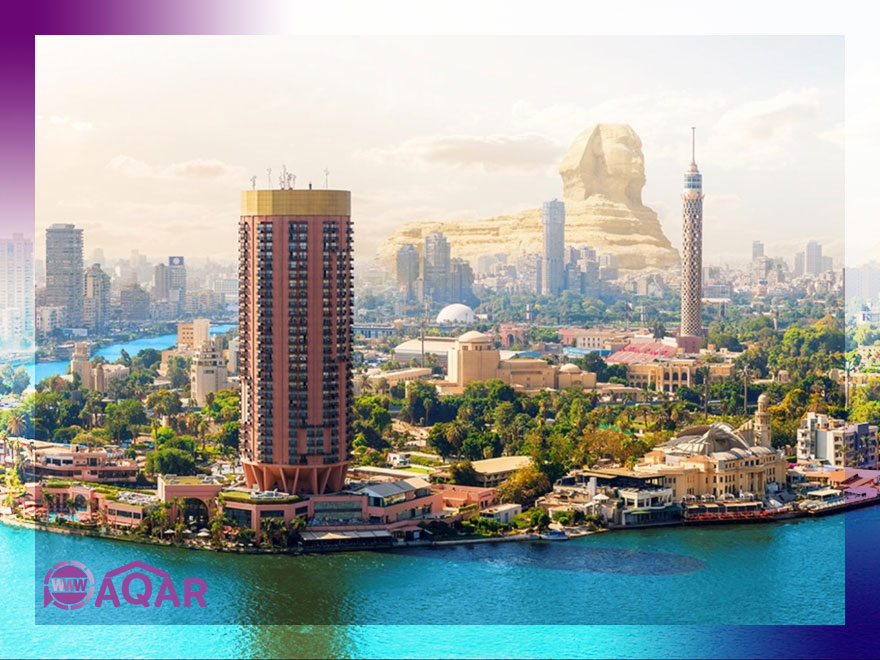
Egypt’s real estate market has emerged as one of the most compelling investment destinations in the Middle East and North Africa region, offering unique opportunities for international investors seeking diversification and growth. With a market valued at over $20 billion in 2025 and projected to reach $33 billion by 2033, Egypt’s real estate sector presents substantial potential for capital appreciation and rental income generation.
The egyptian real estate market has demonstrated remarkable resilience and growth despite global economic challenges. Recent years have witnessed significant transformation, driven by massive infrastructure development, government-backed mega-projects, and sustained population growth exceeding 105 million inhabitants. For investors seeking real estate opportunities in egypt, the timing has never been more strategic.
This comprehensive guide explores the diverse investment prospects across residential and commercial real estate sectors, analyzes prime locations and emerging markets, and provides practical insights for navigating Egypt’s dynamic property landscape. Whether you’re considering luxury villas in established neighborhoods or commercial projects in developing areas, understanding these opportunities will help you make informed investment decisions in this rapidly evolving market.
Why Egypt Presents Lucrative Real Estate Opportunities
Egypt’s strategic location at the crossroads of Africa, Asia, and Europe positions the country as a natural hub for international business and investment. This geographic advantage attracts multinational corporations and international organizations seeking regional headquarters, driving sustained demand for both residential properties and commercial real estate across major cities.
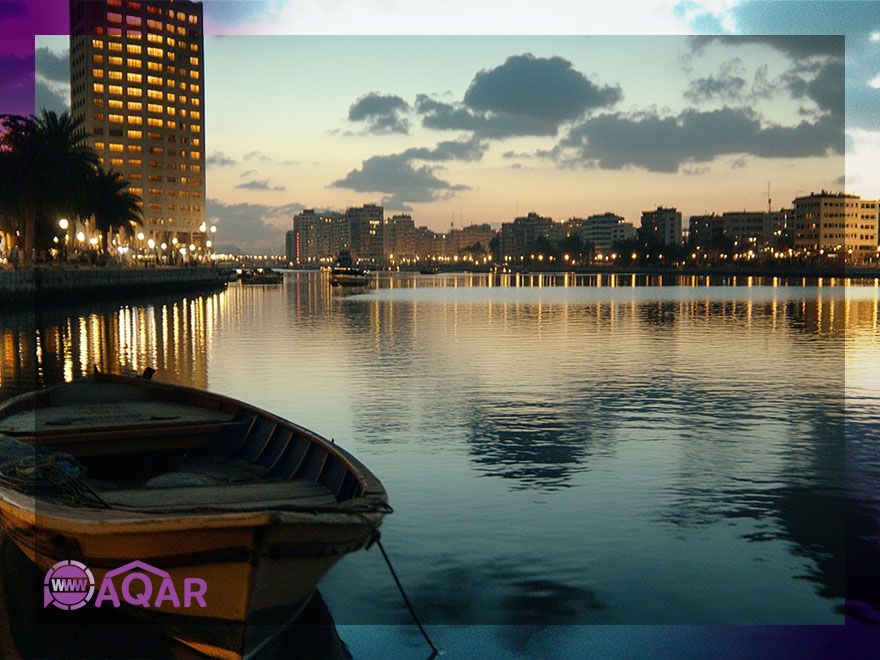
The country’s population growth trajectory presents compelling fundamentals for real estate investment. With more people entering urban areas annually and over 60% of the population under 30 years old, housing demand continues to outpace supply in key metropolitan areas. This demographic shift creates sustained pressure on residential real estate markets, particularly in Greater Cairo, Alexandria, and emerging satellite cities.
Government initiatives under Egypt’s Vision 2030 have transformed the investment landscape through massive infrastructure development projects. The egyptian government has committed billions of dollars to modernize transportation networks, expand utility systems, and develop smart cities. These investments enhance property values and create new investment corridors, particularly around the new administrative capital and planned urban communities.
Property prices in Egypt remain significantly more affordable compared to other countries in the middle east region. Average apartment prices of EGP 22,250 per square meter represent substantial value when compared to similar markets in the United Arab Emirates or Saudi Arabia. This pricing advantage provides attractive entry points for foreign investors seeking exposure to emerging market real estate with strong growth potential.
The citizenship by investment program offers additional incentives for substantial real estate purchases. Foreign investors can obtain Egyptian citizenship through real estate investments exceeding $300,000, providing long-term residency benefits and facilitating business operations throughout the region. This program has attracted significant interest from investors seeking Middle Eastern market access and diversification opportunities.
Residential Real Estate Investment Opportunities
The residential real estate sector represents the largest component of egypt’s real estate market, with apartments and condominiums dominating transaction volumes due to affordability and urban density requirements. Investment opportunities span from entry-level housing in developing areas to luxury compounds targeting high-net-worth individuals and expatriate communities.
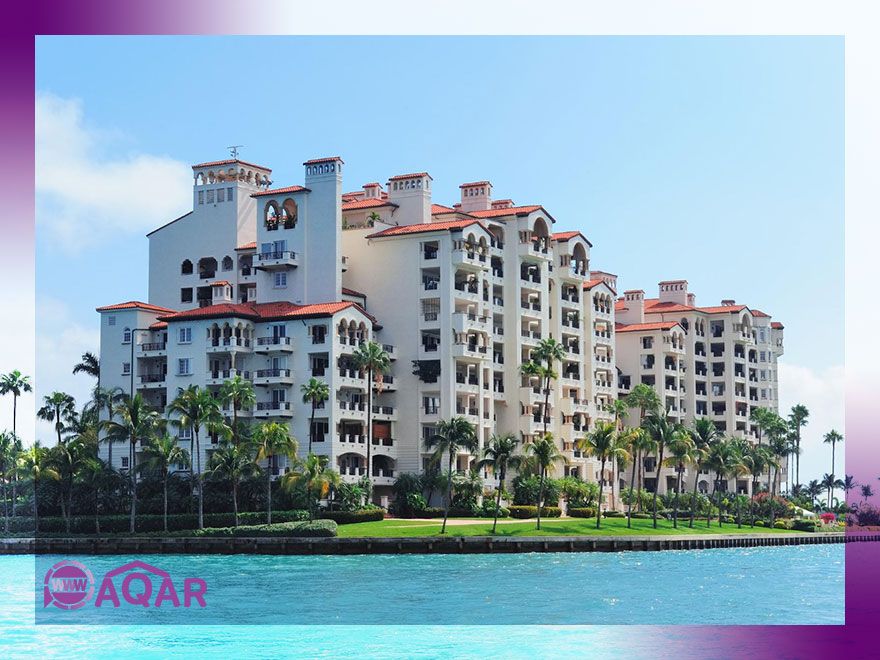
New administrative capital developments offer some of the most promising residential investment prospects. Two to four-bedroom apartments in government-planned districts start at 12,000-15,000 EGP per square meter, with completion timelines between 2025 and 2027. These properties benefit from government tenant demand, modern infrastructure, and planned population growth to 6.5 million residents by 2030.
Luxury residential compounds in new cairo and Sheikh Zayed have established themselves as premium investment destinations. These integrated communities feature international schools, healthcare facilities, shopping centers, and recreational facilities within gated environments. Property values in these developments have shown consistent appreciation of 8-12% annually, driven by expatriate demand and local high-income households seeking modern amenities.
Coastal properties along the north coast and ain sokhna present attractive vacation home and rental income opportunities. Mediterranean coastline developments command premium pricing, with seasonal rental yields reaching 15-20% in peak tourism areas. The ain sokhna region, located 90 minutes from Cairo, offers red sea access and growing tourism infrastructure, making it increasingly popular for weekend homes and short-term rental investments.
Affordable housing projects in 6th of october city and Future City target middle-income demographics with government-subsidized development programs. These projects offer entry-level investment opportunities with prices starting at 8,000-12,000 EGP per square meter. While appreciation rates may be lower than luxury segments, these investments provide steady rental income and cater to Egypt’s growing middle class.
High-end villas in established neighborhoods like Maadi and Zamalek represent premium market investments for sophisticated investors. These properties command prices exceeding EGP 100,000 per square meter but offer stability, established infrastructure, and proximity to diplomatic missions and international businesses. Rental yields typically range from 4-6% annually, with strong capital preservation characteristics.
Commercial Real Estate Investment Prospects
Commercial real estate in Egypt presents diverse investment opportunities across office buildings, retail complexes, hospitality projects, and specialized facilities. The sector benefits from economic diversification efforts, tourism recovery, and expanding business activities throughout major urban centers.

Office buildings in the new administrative capital’s Central Business District represent flagship commercial real estate opportunities. Government ministries and major corporations are relocating operations to these modern facilities, creating sustained tenant demand. Rental rates range from $15-25 per square meter monthly, with long-term lease agreements providing stable cash flows for investors.
Shopping centers and retail complexes in high-density areas like new cairo and Alexandria capitalize on growing consumer spending and urbanization trends. Modern retail developments featuring international brands and entertainment facilities command premium rents from tenants. Investment returns typically range from 8-12% annually, depending on location and tenant quality.
Hotel and hospitality projects in popular tourist destinations including Hurghada, Sharm El Sheikh, and el gouna benefit from Egypt’s tourism recovery and government promotion efforts. These investments require substantial capital commitments but offer potential for strong returns through room revenue and property appreciation. The country’s rich history and strategic location continue attracting international visitors, supporting hospitality demand.
Industrial and logistics facilities near the suez canal Economic Zone and new ports capitalize on Egypt’s position in global trade routes. These specialized properties serve manufacturing, distribution, and logistics companies requiring modern facilities with transportation access. Long-term lease agreements with established tenants provide stable investment returns.
Medical centers and educational facilities in developing suburban areas address growing demand for healthcare and education services. These properties often benefit from government partnerships or international operator agreements, providing additional investment security. Rental yields typically range from 6-8% annually with long-term appreciation potential.
Prime Investment Locations and Their Opportunities
The new administrative capital stands as Egypt’s most ambitious urban development project, designed to accommodate government operations and 6.5 million residents. This planned city offers diverse real estate investment opportunities across residential, commercial, and mixed-use developments. Property prices range from 15,000-50,000 EGP per square meter depending on district and developer, with strong appreciation expected as infrastructure completion accelerates.
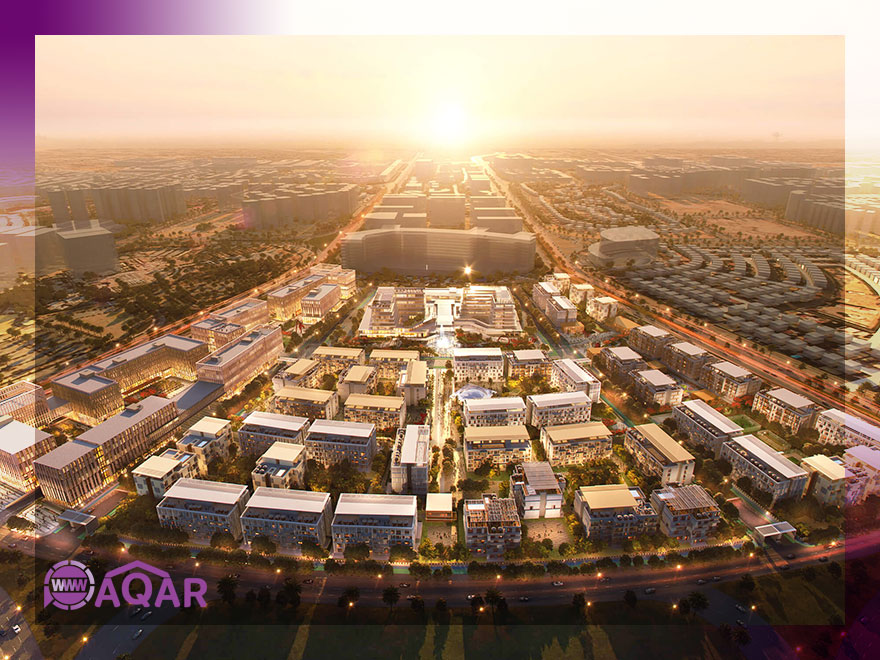
New cairo has evolved into a mature expatriate and upper-middle-class residential destination with established international schools, medical facilities, and business centers. The area commands premium pricing due to its developed infrastructure and proximity to Cairo International Airport. Average property appreciation of 8-12% annually reflects sustained demand from both local and international buyers seeking modern living environments.
The north coast region along the mediterranean sea offers premium resort and vacation home investments. Recent developments like Ras El Hekma have attracted significant foreign investment, with property prices reaching EGP 70,000-200,000 per square meter in prime locations. Seasonal rental yields of 15-20% during summer months provide attractive income generation for investors.
Ain sokhna’s red sea coastline location makes it increasingly popular for weekend homes and tourism investments. Located 90 minutes from Cairo, the region benefits from growing tourism infrastructure and resort development. Property prices remain relatively affordable at 20,000-40,000 EGP per square meter while offering strong appreciation potential as accessibility improves.
Alexandria, egypt’s second-largest city, provides affordable entry points for real estate investment with prices averaging 3,000-5,000 EGP per square meter in developing areas. The city’s mediterranean location, established infrastructure, and industrial base support steady rental demand. Investment opportunities span residential apartments to commercial properties serving the city’s diverse economy.
Emerging Investment Hotspots
El Alamein New City represents a government-backed coastal development project targeting 3 million residents along the mediterranean coastline. This planned smart city incorporates sustainable technologies and modern urban planning principles. Early-stage investment opportunities exist across residential and commercial sectors, with government support ensuring infrastructure development completion.
Galala City emerges as a luxury mountain resort destination under active construction in the eastern desert region. This tourism-focused development targets high-end vacation homes and hospitality investments. While requiring substantial capital commitments, the project offers unique positioning in Egypt’s expanding tourism sector.
New Mansoura represents Egypt’s first planned smart city in the Nile Delta region, focusing on technology, agriculture, and sustainable development. The project targets educated professionals and technology companies, creating demand for modern residential and office properties. Investment opportunities exist in early development phases with government backing ensuring completion.
Market Trends and Growth Drivers
Urban migration from rural areas continues driving housing demand in Greater Cairo by 4-6% annually, creating sustained pressure on residential real estate markets. This demographic shift supports both rental income generation and capital appreciation across metropolitan areas, particularly in newly developed suburbs and satellite cities.

Egypt’s young demographic profile, with 60% of the population under 30 years old, fuels first-time homebuyer demand and apartment rental markets. This generational cohort seeks modern amenities, technology integration, and urban convenience, driving development trends toward integrated communities and smart housing solutions.
Tourism recovery following 2023 improvements has boosted short-term rental and hospitality investments across coastal regions and historical destinations. Visitor arrivals have rebounded to pre-pandemic levels, supporting vacation rental yields and hotel occupancy rates. Government tourism promotion efforts continue expanding international market reach.
Infrastructure improvements including new highways, airports, and metro extensions enhance property values throughout Greater Cairo and connecting regions. The ongoing expansion of transportation networks reduces commute times and increases accessibility, particularly benefiting suburban developments and emerging urban centers.
Foreign direct investment policies encouraging international participation in the real estate sector have attracted significant capital from Gulf countries and European investors. Recent regulatory improvements and investment incentives facilitate foreign ownership while providing currency diversification opportunities for international portfolios.
Investment Advantages and Incentives
Foreign ownership rights in Egypt allow unrestricted property acquisition in most areas except the sinai peninsula, providing flexibility for international investors seeking middle east exposure. This regulatory framework facilitates direct ownership without complex corporate structures, simplifying investment processes and ongoing management.

Egyptian citizenship opportunities through real estate investment exceeding $300,000 offer additional value for investors and their families. This pathway provides long-term residency rights, business operation flexibility, and regional mobility throughout the Middle East and Africa regions.
Rental yields averaging 6-8% in residential properties and 8-12% in commercial developments compare favorably to mature markets while offering higher growth potential. These returns reflect Egypt’s developing market characteristics and sustained demand across property sectors.
Property prices remaining 40-60% lower than comparable middle eastern markets like the UAE and Saudi Arabia provide attractive entry valuations for international investors. This pricing advantage offers potential for convergence appreciation as Egypt’s economy develops and regional integration advances.
Currency devaluation periods create opportunities for foreign currency investors to acquire assets at discounted rates when measured in dollars or euros. While currency volatility presents risks, strategic timing can enhance returns for investors with foreign currency funding sources.
Key Challenges and Risk Factors
Egyptian pound volatility affects local currency returns and requires careful currency hedging strategies for foreign investors. Recent devaluations have created short-term opportunities but highlight the importance of currency risk management in investment planning and return calculations.

Economic instability with inflation rates reaching 25-35% impacts construction costs and market pricing dynamics. These macroeconomic pressures affect both development timelines and property affordability, requiring investors to factor inflationary adjustments into long-term return projections.
Regulatory transparency concerns, with Egypt ranking 61st globally according to JLL’s 2022 Global Transparency Index, emphasize the importance of thorough due diligence and local legal representation. Working with experienced professionals familiar with Egyptian property law helps navigate regulatory complexities.
Limited mortgage financing options for foreigners require higher cash investment ratios compared to developed markets. Most foreign investors need to provide 70-100% cash funding, affecting leverage strategies and capital efficiency compared to markets with established international lending programs.
Political and regional security considerations affect tourism-dependent investments and overall market confidence. While Egypt has maintained relative stability, regional tensions and domestic political developments can impact property values and rental demand in affected areas.
Investment Strategies and Due Diligence
Focusing on established developers like Emaar Misr, Sodic, and Palm Hills reduces project completion risk and ensures quality construction standards. These reputable companies have track records of successful project delivery and ongoing customer support, providing additional security for off-plan investments.

Diversifying across residential and commercial properties helps balance risk and return profiles while providing exposure to different market segments. This strategy reduces concentration risk and allows investors to capitalize on varying market cycles across property types and locations.
Thorough legal due diligence using bilingual lawyers familiar with foreign investment regulations ensures proper documentation and title verification. Egyptian property law requires careful attention to ownership structures, registration processes, and ongoing compliance requirements.
Off-plan purchases in government-backed projects offer potential for 20-30% appreciation before completion, particularly in the new administrative capital and planned communities. These investments require careful developer evaluation but can provide superior returns for risk-tolerant investors.
Engaging local property management companies optimizes rental income and maintenance oversight for investors unable to provide hands-on management. Professional management services typically charge 8-12% of rental income while handling tenant relations, maintenance, and regulatory compliance.
Getting Started with Egyptian Real Estate Investment
Entry-level residential properties in developing areas require minimum budgets of $100,000-150,000, providing accessible investment thresholds for international investors seeking egyptian real estate exposure. These investments offer growth potential while maintaining manageable capital requirements.
Transaction timelines typically require 3-6 months for property search, legal processes, and completion, necessitating patient investment approaches and adequate liquidity planning. Egyptian real estate transactions involve multiple approval stages and documentation requirements that can extend closing periods.
Qualified real estate agents with international client experience and English language capabilities provide essential market knowledge and transaction support. These professionals understand foreign investor needs and can navigate cultural and regulatory complexities throughout the investment process.
Site visits for property inspections and developer meetings are highly recommended before making significant investment commitments. Direct market exposure helps investors understand local conditions, assess property quality, and evaluate neighborhood dynamics that may not be apparent through remote research.
Building relationships with local banks, lawyers, and property managers creates ongoing support networks for successful long-term investments. These professional relationships facilitate future transactions, provide market insights, and ensure proper investment oversight and management.
The egyptian real estate market offers compelling opportunities for investors seeking emerging market exposure with strong fundamentals and government support. While challenges exist, the combination of strategic location, demographic trends, and infrastructure development creates a favorable environment for well-researched investments. Success requires thorough due diligence, professional local support, and understanding of unique market characteristics, but the potential rewards justify careful consideration of egypt’s real estate opportunities in diversified investment portfolios.
Conclusion
Egypt’s real estate market offers a wealth of opportunities for investors seeking growth, diversification, and exposure to a dynamic emerging market. Fueled by strategic location, rapid population growth, government-backed infrastructure development, and affordable prices compared to other Middle Eastern countries, the sector presents attractive prospects across residential, commercial, and mixed-use properties.
While challenges such as currency volatility and regulatory complexities exist, careful due diligence and collaboration with trusted local experts can mitigate risks. Whether investing in luxury compounds, coastal resorts, or commercial developments in the new administrative capital, Egypt’s evolving property landscape holds significant potential for capital appreciation and rental income. For investors ready to navigate this promising market, Egypt stands out as a compelling destination for real estate opportunities in the Middle East.
Read more:
Top Real Estate Opportunities in UAE for Investors and Homebuyers
Top Real Estate Content Marketing Strategies That Generate Leads

One thought on "Real Estate Opportunities in Egypt: A Comprehensive Investment Guide"